The Appeal of Mountain Landscapes
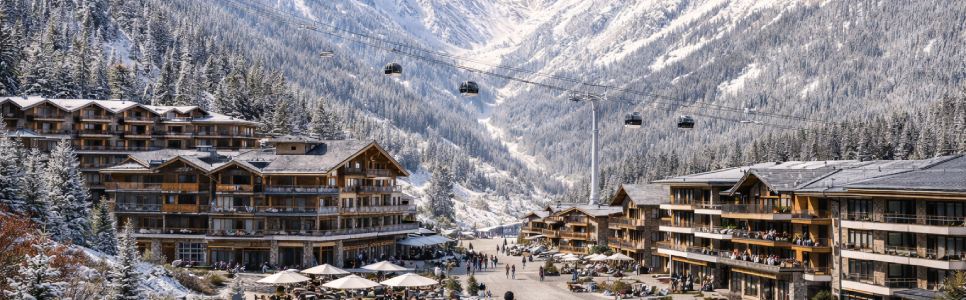
Mountain environments attract people who are looking for wilderness experiences in nature and natural scenery. At such heights, through intricate terrains, there is a feeling of great scale not easily seen in any other sort of landscape. Much of it can be experienced by less proficient travellers via mountain resorts.
The natural beauty of mountainous landscapes also includes a multitude of appealing elements for vacationers. Forested slopes, alpine meadows, glacial valleys, and mountain lakes together dramatically enhance visual and ecological diversity throughout the year.
Natural Beauty and Scenic Vistas
One of the most recognizable features of mountain destinations is the panoramic scenery. High elevations allow visitors to see large stretches of terrain, often extending across entire valleys or mountain ranges. Resorts frequently build observation points, scenic lifts, and viewing platforms that allow guests to enjoy these vistas safely and comfortably.
These viewpoints often become focal points for visitors who wish to photograph landscapes or simply experience the quiet atmosphere of high-altitude environments. Seasonal changes also influence the scenery. Snow-covered slopes, autumn forests, and summer alpine flowers all create different visual experiences depending on the time of year.
Climate and Fresh Air
Mountain climates are often cooler and less humid than lowland environments, particularly during summer months. This difference has historically made mountain areas attractive retreats for travellers looking to escape heat and urban congestion.
Higher elevations also tend to have cleaner air due to lower population density and fewer industrial activities. For many visitors, spending time in mountain environments provides a sense of physical refreshment and mental relaxation that contrasts strongly with busy city settings.
Wildlife and Alpine Ecosystems
Mountain regions support a variety of plant and animal species adapted to high-altitude conditions. Visitors to mountain resorts may encounter wildlife such as deer, mountain goats, marmots, and a range of bird species. While wildlife sightings are never guaranteed, the possibility adds another dimension to outdoor travel experiences.
Resorts often work with local environmental agencies to manage natural areas responsibly. Educational programs, guided nature walks, and interpretive signage help visitors understand alpine ecosystems while encouraging respectful behaviour toward wildlife and fragile mountain habitats.
The Sense of Space and Escape
Mountain landscapes often create a feeling of openness and distance from everyday routines. Even resorts located relatively close to major cities can provide a sense of isolation once visitors arrive in alpine terrain.
This psychological aspect plays a significant role in the popularity of mountain travel. Wide valleys, towering peaks, and quiet forests create an environment where visitors can slow down, disconnect from daily pressures, and focus on outdoor experiences.
Year-Round Recreation in Mountain Resorts
Although many people see mountain resorts as chiefly meant for winter sports, these resorts now cater to an all-year-round stay. As seasons change, so do activities with a result that resorts attract visitors throughout the year, be it summer or winter.
By offering multiple leisure opportunities, mountain holiday destinations extend their attraction throughout the year. This densifies the number of visitors within long intervals across the calendar year.
Winter Sports and Snow Activities
Winter remains one of the most important seasons for many mountain resorts. Skiing and snowboarding are the activities most commonly associated with alpine tourism, supported by lift systems, groomed slopes, and snow management infrastructure.
Other winter activities have also grown in popularity, including snowshoeing, cross-country skiing, sledding, and winter hiking. These alternatives allow visitors with varying skill levels to participate in outdoor activities without requiring advanced technical training.
Winter festivals, holiday events, and seasonal markets also contribute to the overall travel experience, transforming mountain villages into lively destinations during colder months.
Summer Hiking and Trail Exploration
When snow melts, mountain resorts often transition into hiking destinations. Trail networks that were previously used for winter sports become accessible routes for exploring forests, ridgelines, and alpine meadows.
Hiking trails vary in difficulty, allowing both beginners and experienced hikers to explore the surrounding terrain. Many resorts provide maps, guided excursions, and educational programs to help visitors navigate the landscape safely.
Summer hiking is particularly appealing because it allows travellers to experience mountain ecosystems at a slower pace. Visitors can observe plant life, geological formations, and wildlife habitats that are often hidden beneath winter snow.
Mountain Biking and Adventure Sports
Many mountain resorts have invested heavily in mountain biking infrastructure. Purpose-built trails, bike parks, and lift-assisted downhill routes attract cycling enthusiasts from around the world.
Adventure tourism has also expanded the range of summer activities available in mountain resorts. Zip lines, climbing walls, via ferrata routes, and guided climbing excursions allow visitors to engage with mountain terrain in new ways.
These activities combine physical challenge with scenic landscapes, making them appealing to travellers who seek both recreation and adventure during their holidays.
Seasonal Events and Cultural Activities
In addition to outdoor recreation, mountain resorts frequently host cultural and community events that bring visitors together. Music festivals, food events, craft markets, and outdoor film screenings often take place during peak tourist seasons.
These events contribute to the overall atmosphere of mountain villages, turning them into vibrant social spaces rather than purely recreational facilities. Visitors often combine outdoor activities with cultural experiences that reflect regional traditions and local communities.
Infrastructure That Supports the Mountain Travel Experience
Modern mountain resorts owe part of their existence to the built infrastructure that renders mountain environments accessible to visitors who may come from far away. Good hospitality service, good transport, and good safety management help to keep the moment interesting and safe for all.
But it is the natural landscape that remains the central enchantment, with the infrastructure playing a no less involving part in facilitating access to mountains.
Accommodation and Hospitality Services
Mountain resorts typically offer a wide range of accommodations designed to meet different travel preferences and budgets. Hotels, lodges, chalets, and rental apartments allow visitors to choose lodging that suits their style of travel.
Hospitality services often include restaurants, cafes, wellness facilities, and recreational centres. These amenities provide spaces where visitors can relax after outdoor activities and enjoy regional cuisine or social gatherings.
The integration of hospitality services with natural surroundings is an important part of the mountain resort concept. Buildings are often designed to complement alpine architecture while maintaining views of surrounding landscapes.
Transportation and Access Systems
Reaching mountain environments can sometimes be challenging due to steep terrain and remote locations. Resorts therefore rely on transportation systems that allow visitors to access different parts of the mountain safely.
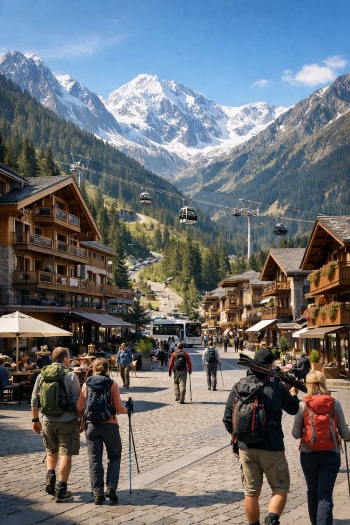
Ski lifts, gondolas, and cable cars transport visitors across large elevation changes without requiring strenuous physical effort. During warmer seasons, these systems often remain operational to carry hikers and sightseers to higher viewpoints.
Road networks, shuttle services, and nearby regional airports also play an important role in making mountain resorts accessible to domestic and international travellers.
Safety and Environmental Management
Operating tourism facilities in mountain environments requires careful attention to safety. Weather conditions, steep terrain, and seasonal hazards such as avalanches or rockfalls must be monitored closely.
Resorts often maintain professional safety teams that manage trail conditions, monitor weather forecasts, and provide emergency services when necessary. Information boards and digital updates help visitors stay informed about conditions before they begin outdoor activities.
Environmental management is another important responsibility. Many resorts implement sustainability programs that focus on waste management, energy efficiency, and protection of surrounding ecosystems.
Resort Villages and Community Spaces
At the centre of many mountain destinations is a resort village that serves as a gathering place for visitors and residents. These villages often include pedestrian areas, shops, restaurants, and public squares where travellers can spend time between outdoor activities.
Resort villages are designed to encourage social interaction and provide convenient access to services. Visitors may explore local markets, attend events, or simply relax in cafes while enjoying views of surrounding mountains.
These community spaces contribute to the overall character of mountain resorts, blending tourism infrastructure with elements of local culture and hospitality.
Economic and Regional Importance of Mountain Resorts
Mountain tourism plays a major role in the economies of many alpine regions. Resorts generate employment opportunities, support local businesses, and attract investment in infrastructure such as transportation and public services.
Because mountain environments often have limited agricultural or industrial development opportunities, tourism has become a central component of economic activity in many high-elevation communities.
Employment and Local Business Opportunities
Mountain resorts create a wide range of jobs across multiple sectors. Hospitality staff, outdoor guides, maintenance teams, ski instructors, and event organizers all contribute to the operation of resort facilities.
Local businesses also benefit from tourism activity. Equipment rental shops, restaurants, retail stores, and transportation providers often depend heavily on the steady flow of visitors who come to mountain destinations throughout the year.
For many communities, tourism provides one of the most reliable sources of employment in regions where other industries may be limited.
Regional Development and Infrastructure
The development of mountain resorts often leads to improvements in regional infrastructure. Roads, airports, telecommunications networks, and public utilities may be expanded to support increased visitor numbers.
These improvements can also benefit local residents by providing better access to services and economic opportunities. In some cases, tourism development has transformed remote mountain areas into thriving regional hubs.
However, planners must carefully balance development with environmental protection to ensure that infrastructure growth does not damage the landscapes that attract visitors in the first place.
International Tourism and Global Travel Trends
Mountain resorts attract visitors from around the world, contributing to international tourism flows. Well-known alpine destinations often become global travel icons, drawing travellers who wish to experience famous mountain landscapes.
The growth of global tourism has increased competition between resorts, encouraging destinations to expand their offerings and improve visitor experiences. At the same time, changing travel trends have influenced how resorts operate.
Travellers today often seek diverse experiences that combine nature, culture, and recreation. Mountain resorts that provide year-round activities and sustainable tourism practices are increasingly well positioned to meet these expectations.
Sustainability and Responsible Tourism
As tourism in mountain regions grows, sustainability has become a central topic in resort development. Mountain ecosystems are sensitive to environmental pressures, and large visitor numbers can affect wildlife habitats, water resources, and vegetation.
Many resorts now implement sustainability initiatives designed to reduce environmental impact. These may include renewable energy use, responsible land management, and programs that encourage visitors to follow environmentally responsible practices.
Education also plays an important role. By informing travellers about local ecosystems and conservation efforts, resorts can promote responsible tourism that protects mountain environments for future generations.
Key Characteristics of Modern Mountain Resorts
Although each destination has unique features, many mountain resorts share several common characteristics that shape the visitor experience.
These elements combine natural landscapes, outdoor activities, and hospitality services into a unified travel environment that supports both recreation and relaxation.
- Access to diverse outdoor activities across multiple seasons
- Scenic alpine landscapes with panoramic viewpoints
- Integrated accommodation, dining, and leisure facilities
- Transportation systems such as lifts and cable cars
- Organized events and cultural experiences
- Safety and environmental management programs
Together, these features create destinations that allow visitors to explore mountain environments in a structured and comfortable way. By offering a combination of recreation, scenery, and hospitality, mountain resorts appeal to a wide range of travellers.
Some visitors come primarily for outdoor sports, while others focus on relaxation and sightseeing. The flexibility of the mountain resort model allows destinations to accommodate different travel styles while maintaining a strong connection to the surrounding natural landscape.
Where Nature and Hospitality Meet
Natural landscapes and tourism infrastructure become unified in mountain resorts. They attract people who are searching for a well-rounded holiday experience, which is a safe and healthy journey into alpine surroundings.
Mountain resorts change just like the year, trying to match the needs of a tourism sector that has different preferences. Mountain tourism is a powerful and enduring feature of global tourism as co-existence with ecofriendly activities and relaxation all find a way into the daily structures of mountain trips.
Mountain resorts represent a neat example of what tourism can do to bring people closer to nature while at the same time supporting local economies. By carefully planned conservation work and sustainable management, these destinations open up some of the world’s most dramatic regions without isolating their guests.
Mountain resorts are well known for their scenic beauty, outdoor recreation for tourists with all pockets, as well as that welcoming air, all of which collectively forge the foreground for the modern advent of outdoor travel. Popular among travelers is the mountain, which beckons toward both adventure and repose.